PROFESSIONAL AUTHOR ANNOUNCEMENT
Award-winning author and Austin-based accessibility expert explores how artificial intelligence, smart-home technology, telehealth, and universal design are transforming the future of aging in place.
AUSTIN, TEXAS — October 2026
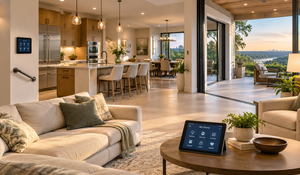
The future of aging in place is transforming rapidly. Advances in artificial intelligence, smart-home automation, remote health monitoring, and connected healthcare technologies are changing how Americans prepare their homes for greater independence, safety, and long-term comfort.
Leading this conversation is David L. Traut, CAPS, President of Austin-based T-Square Company, master builder, universal design and accessibility specialist, and award-winning author.
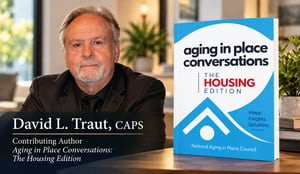
Traut was selected as a contributing author to the National Aging in Place Council's (NAIPC) new publication, Aging in Place Conversations: The Housing Edition, bringing more than 30 years of residential construction, accessible remodeling, and universal design experience to a national discussion about the future of housing.
His contribution, Chapter 12, "The Aging in Place Market Is Rapidly Changing Through Advances in Technology," explores how emerging technologies are reshaping the relationship between housing, healthcare, accessibility, and independent living.
A New Era in Aging in Place Has Arrived
For decades, aging-in-place planning has focused primarily on modifying the physical home to accommodate changing mobility, strength, balance, and accessibility needs.
Traditional improvements such as curbless showers, strategically placed grab bars, wider doorways, accessible kitchens, improved lighting, safer stairs, and safer flooring remain essential components of a well-designed living environment.
However, an entirely new dimension is emerging.
Today's homes are increasingly becoming capable of integrating intelligent systems that monitor environmental conditions, support daily activities, improve communication, and connect residents with caregivers and healthcare professionals.
Artificial intelligence, smart sensors, automated lighting, voice-controlled technology, and telehealth platforms are expanding the possibilities for maintaining independence.
According to Traut, the next generation of aging-in-place housing must bring these innovations together with thoughtful architectural design.
"The home of the future won't simply accommodate aging. It will be designed to adapt to the people living in it while becoming an active support system to help those same people remain independent, connected, and well."
This philosophy represents a shift from reactive home modifications toward proactive, adaptable residential environments designed to serve occupants throughout changing stages of life.
How High Technology Is Transforming the Aging-in-Place Market
In Chapter 12 of Aging in Place Conversations: The Housing Edition, Traut examines several technological developments influencing the future of residential living.
Artificial Intelligence and Predictive Home Monitoring
Artificial intelligence is creating new opportunities for homes to recognize patterns, identify potential safety concerns, and support more responsive living environments.
Emerging monitoring systems may help detect unusual changes in daily activity, recognize potential fall-related events, and notify designated caregivers when assistance may be needed.
Although these technologies continue to evolve, their potential to support earlier intervention and greater independence is significant.
Smart Homes That Adapt to Their Occupants
Smart-home automation is changing how people interact with their living environments.
Automated lighting can illuminate pathways during nighttime movement. Smart thermostats can maintain comfortable indoor conditions, while voice-controlled devices may reduce the need to operate traditional switches and controls.
Connected security systems, water-leak detection, and automated alerts can also provide additional layers of protection.
When carefully designed and installed, these technologies can complement accessible construction and make everyday activities more convenient for people of varying ages and abilities.
Telehealth and the Expansion of Healthcare at Home
The traditional relationship between healthcare and housing is also changing.
Telehealth consultations, connected medical devices, and remote patient monitoring are making it possible for certain healthcare services to be delivered or supported in residential settings.
For homeowners planning to age in place, this creates new considerations involving reliable internet connectivity, accessible room layouts, adequate lighting, privacy, electrical infrastructure, and flexible spaces that can accommodate changing care needs.
The home is increasingly becoming an important part of the broader healthcare environment.
Universal Design Meets Intelligent Technology
Technology alone cannot create a safe and accessible home.
A sophisticated monitoring system cannot eliminate a dangerous staircase, correct an inaccessible bathroom, or compensate for poorly designed circulation space.
Likewise, physical accessibility improvements cannot provide every benefit offered by connected communication, environmental monitoring, and automated assistance.
The most effective aging-in-place strategies combine both approaches.
Universal design provides the physical foundation. Intelligent technology adds adaptability, connectivity, and responsive support.
Together, they can create homes that are better prepared for the changing needs of their occupants.
More Than 30 Years of Experience Behind the Conversation
Traut's perspective is grounded in decades of hands-on residential design and construction.
As President of T-Square Company in Austin, Texas, he has dedicated much of his professional career to helping homeowners create safer, more accessible, and more functional living environments.
His expertise includes accessible bathroom and kitchen remodeling, barrier-free design, residential safety assessments, and comprehensive aging-in-place planning through professional home assessments.
As a Certified Aging-in-Place Specialist (CAPS) with additional universal design credentials, Traut approaches accessibility as a fundamental component of good residential design rather than an afterthought.
His experience has demonstrated that the most successful home modifications are those that anticipate future needs while preserving the beauty, comfort, and character of the home.
The growing integration of technology presents an opportunity to expand this philosophy even further.
Building on an Award-Winning Publication
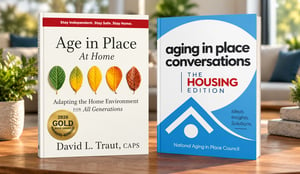
Traut is also the author of the award-winning book Age in Place at Home: Adapting the Home Environment for All Generations, available on Amazon.
The book provides homeowners, families, builders, architects, and caregivers with practical guidance for creating safer, more accessible residential environments.
It explores the importance of proactive planning, universal design, fall prevention, accessible living spaces, and modifications that support long-term independence.
His contribution to the NAIPC's Aging in Place Conversations: The Housing Edition builds upon this foundation by examining how technological innovation is expanding the possibilities for the future of aging in place.
Together, these publications reflect Traut's commitment to helping both homeowners and industry professionals understand the evolving relationship between housing, accessibility, technology, and quality of life.
A National Conversation About the Future of Housing
America's aging population presents important challenges and opportunities for residential construction, healthcare, technology development, and community planning.
As more people seek to remain in their homes throughout retirement and later life, the demand for adaptable, accessible, and technologically capable housing is likely to grow.
Meeting this demand will require greater collaboration among builders, architects, occupational therapists, healthcare providers, technology developers, and aging-in-place specialists.
The industry must look beyond individual products and isolated home modifications toward comprehensive residential environments that support long-term independence.
Traut believes the professionals who design, build, and modify homes today have an important responsibility to prepare for these changing expectations.
The central question is no longer simply how to make a home accessible.
It is how to create a home capable of adapting to its occupants throughout a lifetime.
Connecting National Innovation With Practical Solutions in Austin
While Traut contributes to the national conversation about the future of aging-in-place housing, his work at T-Square Company continues to focus on practical solutions for homeowners throughout the Austin, Texas, area.
The company specializes in accessible remodeling, universal design, and aging-in-place home modifications that help homeowners prepare for changing needs without sacrificing comfort or aesthetics.
From barrier-free bathrooms and accessible kitchens to comprehensive home assessments and future-ready design planning, T-Square Company helps clients make informed decisions about their living environments.
For homeowners considering how to prepare their properties for the years ahead, the most important step is often beginning the planning process before an urgent need arises.
Looking Ahead: Helping Shape the Future of Aging in Place
The publication of Aging in Place Conversations: The Housing Edition represents another opportunity to advance awareness of the evolving aging-in-place industry.
Through his writing, professional experience, and participation in industry conversations, Traut hopes to encourage a more comprehensive approach to residential design—one that recognizes the complementary roles of accessibility, emerging technology, and proactive planning.
He welcomes opportunities to collaborate with professional organizations, architects, builders, healthcare professionals, researchers, and technology innovators interested in advancing the future of independent living.
"The future of aging in place will be shaped by the homes we design today, the technologies we integrate tomorrow, and the commitment we make to creating environments that support people throughout their lives."
About David L. Traut, CAPS
David L. Traut is a master builder, Certified Aging-in-Place Specialist, universal design and accessibility expert, award-winning author, and President of T-Square Company in Austin, Texas.
With more than 30 years of residential construction and remodeling experience, David specializes in helping homeowners create safe, comfortable, accessible, flexible, and adaptable living environments.
He is the author of Age in Place at Home: Adapting the Home Environment for All Generations and a contributing author to the National Aging in Place Council's Aging in Place Conversations: The Housing Edition.
Website: www.tsquareco.com
Professional inquiries: Speaking engagements, expert interviews, industry collaborations, and aging-in-place consulting.
Austin homeowner inquiries: Accessible remodeling, universal design, home safety assessments, and future-ready home planning.