Check out my building blog to learn more about construction for your home or office in Austin! David L. Traut, President, CAPS Certified (512)444-0097

Accessible Kitchens for Aging in Place: Designing Your Forever Home

Posted byDavid L. Traut, CAPS on Tue, Aug 25, 2026 @ 11:08 AM


How To Proceed With Your Accessible Kitchen Remodel

The kitchen is often called the heart of the home, and for good reason. It is where families gather to share meals, grandchildren learn treasured family recipes, and holiday traditions are created and passed from one generation to the next. More than just a place to prepare food, the kitchen is a center of daily life, connection, and independence. As we age, however, tasks that once seemed effortless, like reaching upper cabinets, bending to access lower shelves, lifting heavy cookware, or standing for extended periods, can become increasingly difficult. Losing the ability to comfortably use your familiar kitchen often means losing a measure of confidence and independence. Fortunately, thoughtful planning and Universal Design principles can transform the kitchen into a space that continues to support your lifestyle for decades to come. By incorporating accessible features that blend seamlessly with beautiful design, your kitchen can remain a welcoming place where family memories are made, meals are shared, and independence is preserved throughout every stage of life.

Keep in mind,  accessible kitchens aren't about preparing for old age;  it's about creating a space that supports every stage of life. Whether you're 45 or 85, thoughtful design makes cooking safer, more enjoyable, and less physically demanding. The best kitchens don't simply meet today's needs; they evolve with you, allowing you to continue preparing meals, gathering with loved ones, and making memories in the heart of your home for years to come. 
 

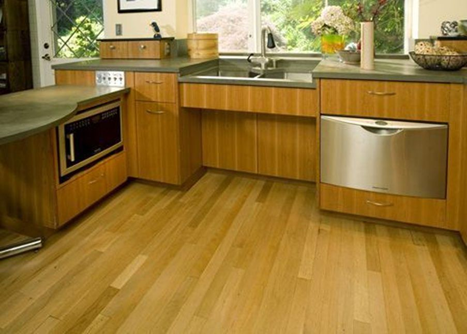
an accessible universal design kitchen for aging in place in Austin


Common Mistakes People Make When Planning a Kitchen Remodel

Installing beautiful cabinets that can't be reached

Relying on too many cabinet doors, which are architectural barriers

Using slippery flooring

Poor lighting

Too many upper cabinets

Ignoring accessible storage between 18" and 48" above the floor

No seating or roll-under capability anywhere

No landing space in and around the work areas

Choosing appearance over function

Waiting until after a fall, surgery, or chronic illness

Cramming too much into a small room without clear approaches to appliances and a clear five-foot turning area for wheelchairs

Why the Kitchen Becomes Challenging

Kitchens become more difficult once certain health issues become predominant. Medical conditions cause reduced balance, arthritis, decreased grip strength, limited shoulder movements, vision changes, fatigue, wheelchair or walker use, and memory changes. Each of these issues must be considered in the preliminary Universal Design kitchen layout before construction begins.  Ask yourself a few simple questions like:

Can I reach everything safely?

Can I cook without pain?

Can I unload groceries easily?

Would this kitchen work after surgery?

Could someone using a walker or wheelchair cook here?

Can my smaller grandchildren participate in cooking?

Could I prepare Thanksgiving dinner in ten years?

The Top Five Accessible Kitchen Upgrades And Their Associated ROI

From both an aging-in-place and return-on-investment (ROI) perspective, the best kitchen upgrades are those that improve safety, independence, and everyday usability without making the kitchen look institutional. These are also the features that appeal to a broader market because they follow Universal Design principles. The greatest ROI of an accessible kitchen isn't just what it adds to your home's value, but what it adds to your life.

1. Multi-Height Work Surfaces 

Greatest long-term ROI

Create work areas at different heights rather than a single continuous countertop. This universal design feature is beneficial by allowing food preparation while sitting or standing, reducing fatigue and back strain, accommodating wheelchair or walker users if needed, and making the kitchen usable for every generation.

2. Installing full-Extension Drawers Instead of Deep Cabinets

Replace lower cabinet doors with deep drawers or pull-out shelves.  Provide a roll-out pantry storage to bring the stored items out to you. This universal design feature is beneficial because it eliminates the need for kneeling or crawling to see inside base cabinets to find stored items, provides easier access to heavy cookware, and produces better organization.

ROI: Extremely High

3. D-Shaped Cabinet Pulls and Lever Hardware

This is a relatively inexpensive upgrade with a significant impact. The cost is low, but the benefit is substantial because the cabinets can be opened by anyone using a closed fist.  This universal design aspect benefits people with arthritis, as it is safer for a user with wet hands, and the D-shaped pulls work well for all ages.                                             

ROI: Excellent

4. Improved Layered Lighting

Many falls or knife accidents occur because homeowners cannot adequately see. Include layered LED task lighting in your design to reduce shadows over work areas, provide bright task lighting, and avoid blinding reflections, which can be as bad as no light. Include under-cabinet LED lighting, LED strip lighting along the base cabinet toe kicks to aid in low vision, and motion-sensor lighting. 

The benefits of a layered lighting system ensure safer food preparation, easier medication management, reduced fall risks, and improved visibility as eyesight changes.

ROI: Excellent

5. Accessible Easy-Reach Appliances 

Place or install appliances where bending and reaching are minimized to reduce bending and lifting, provide easier access, and ensure greater independence. Keep in mind the optimal horizontal reach distance is 24" while the vertical reach distance is between 18" and 48". Examples of this design aspect include:

  • Wall ovens are installed at a comfortable height where you can see the contents from a seated position
  • Install a microwave drawer or place it on a lowered cabinet top with reach distance in mind
  • Using a side-opening or French-door oven
  • A French door refrigerator with a bottom freezer
  • The dishwasher is raised several inches to minimize bending

ROI: Very High

There are also other excellent investments, such as touchless faucets, pull-down spray faucets, rounded countertop corners, wider aisles of 42-48", contrasting countertop edges for low vision, induction cooktops, pull-out trash and recycling, Lazy Susans and corner pull-outs to overcome blind cabinet corners, and automatic shut-off appliances.

All these improvements enhance daily comfort today while making the kitchen safer and more functional for decades to come. They also preserve the attractive, residential appearance that homeowners want, making them strong selling points even for buyers who are not currently thinking about aging in place. 

While these upgrades can increase resale appeal, their greatest value often comes from something far more important: extending the time you can live safely and independently in the home you love. A thoughtfully designed kitchen can reduce physical strain, lower the risk of injury, and make everyday tasks easier, allowing you to continue cooking, entertaining, and enjoying family traditions for years to come.

At T-Square Company in Austin, Texas,  we offer advice about kitchen remodeling and know that one of the biggest misconceptions is that an accessible kitchen has to look clinical or institutional. In reality, the best accessible kitchens are virtually indistinguishable from today's most desirable luxury kitchens. Features like pull-out shelves, induction cooktops, better lighting, and multi-height work surfaces are sought after by homeowners of every age because they combine beauty, convenience, and long-term functionality. That's the essence of Universal Design: creating a kitchen that works better for everyone, today and well into the future.

Who Can Help With Your New Accessible Kitchen Design?

David L. Traut, CAPS, is an Accessibility Specialist, Universal Design Expert, award-winning author, and President of T-Square Company in Austin, Texas. With more than 30 years of design/build experience, he specializes in aging in place home modifications, specific accessibility needs,  accessible kitchens and baths,  accessibility renovations and additions, remodeling for handicapped accessibility,  and barrier-free remodeling solutions that promote safety, independence, and dignity throughout your home.

David is the author of the award-winning book "Age in Place at Home: Adapting the Home Environment for All Generationsand is a founding member of the National Aging in Place Council (NAIPC). His work combines practical expertise, thoughtful design, and compassionate problem-solving to help individuals thrive safely and comfortably in their homes.

CALL 512-444-0097 today and schedule an appointment to determine how your accessible future is possible.

 

Certified Aging In Place Specialist


An accessible kitchen isn't about preparing for old age;  it's about creating a space that supports every stage of life. Whether you're 45 or 85, thoughtful design makes cooking safer, more enjoyable, and less physically demanding. The best kitchens don't simply meet today's needs; they evolve with you, allowing you to continue preparing meals, gathering with loved ones, and making memories in the heart of your home for years to come. 

Tags: ADA accessible, aging in place, handicap home modifications, ADA kitchen cabinets, universal design/build, Austin deck designs, universal design kitchen ideas, home access, home accessibility, universal kitchen design, barrier free kitchens, forever home, home modifications, senior home safety, mobility solutions, safe home design for seniors, home safety

Aging in Place in Austin: The Complete Home Accessibility Guide

Posted byDavid L. Traut, CAPS on Tue, Aug 11, 2026 @ 17:08 PM

What to Do When Your Home No Longer Fits Your Needs

There comes a time when many homeowners begin to notice that the home they've loved for years isn't as easy, or as safe, to live in as it once was. Stairs become more difficult to climb. Stepping over the bathtub feels less secure. Reaching high kitchen cabinets becomes uncomfortable. Tasks that once took little effort begin to require more thought and caution. All these difficult situations come into reality once you ask yourself," Can I stay in my home as I get older?", or "How can I age in place safely?"

For some, these changes happen gradually. For others, the onset is sudden after a fall, illness, or surgery.

If you've reached the point where your home no longer fits your needs, don't assume your only option is to move. In many cases, thoughtful modifications can transform your existing home into one that supports your independence, safety, and quality of life for years to come. This amounts to the overall trend in Aging in Place.


accessible well-lit kitchen


Explore the Many Options to Take Your Home Back When Aging in Place with These Typical Aging in Place Questions

Step 1: Identify What's No Longer Working

Walk through your home as though you're seeing it for the first time. Identify all problematic rooms and areas. Your self-assessment will reveal where accessibility improvements will have the greatest impact on answering the question of "When do I modify a home?"

Step 2: Think Beyond Today's Needs

One of the biggest mistakes homeowners make is remodeling only for their current situation.

Instead, ask: "Will this improvement still work five or ten years from now?"

Planning often saves money by avoiding repeated renovations.

Step 3: Prioritize Safety First

Start with the highest-risk areas that often include bathrooms, entryways, stairways, hallways, lighting, flooring, and kitchens.

Many of these improvements are affordable and can significantly reduce the risk of falls.

Step 4: Develop a Phased Accessibility Plan

Your home doesn't have to be remodeled all at once. A phased approach allows you to spread costs over time. 

For many homeowners, this approach makes aging in place both practical and affordable while minimizing disruption.

Step 5: Consider Every Option

Remember, every family is different.

Your long-term plan may include remodeling your current home, creating an accessible bathroom on the first floor, adding an Accessory Dwelling Unit (ADU), installing a stair lift or residential elevator, or building an addition for caregiving or multigenerational living.

The right solution depends on your health, lifestyle, family support, and budget.

Step 6: Include Your Family

Accessibility planning shouldn't happen alone.

Adult children, spouses, caregivers, and trusted advisors often provide valuable perspectives that help ensure the home supports everyone's needs.

Open, Aging in Place conversations today can prevent stressful decisions during a future crisis.

Step 7: Work With an Accessibility Specialist and How Do I Find a Certified Aging in Place Specialist

Most CAPS-certified remodeling contractors build beautiful homes.

A Certified Aging in Place Specialist (CAPS) understands how people interact with their homes as their mobility, strength, balance, and vision change over time.

That expertise helps create solutions that preserve both safety and dignity while maintaining the beauty of the home. All These entities contribute to the answer to "How do I create a lifetime home accessibility plan"?

The Goal Isn't Simply Staying Home

The objective isn't merely remaining in the same house longer.

The goal is to continue living independently, safely, and comfortably in the place where memories have been made.

A thoughtfully designed home supports your lifestyle instead of limiting it.

Your Home Should Continue to Work for You

A house shouldn't become harder to live in simply because life changes. With careful planning and the right modifications, most homes can evolve to support changing needs while preserving the comfort, beauty, and memories that make them special.

As an accessibility specialist, award-winning author of Age in Place at Home: Adapting the Home Environment for All Generations, and Certified Aging in Place Specialist (CAPS) with more than 30 years of design-build experience, David L. Traut helps Austin-area homeowners create personalized accessibility plans that grow with them. At T-Square Company, the focus isn't just on remodeling—it's on creating forever homes that promote independence, safety, dignity, and peace of mind.

Call 512-444-0097 today to set up an appointment for an accessibility consultation and home assessment.

Certified Aging In Place Specialist

Tags: aging in place, Universal Design,, home accessibility, forever home, home modifications, independent living, senior home safety, Austin home remodeling, aging in place planning, accessible remodeling

Home Modifications for Seniors Austin |  Aging in Place Specialist

Posted byDavid L. Traut, CAPS on Tue, Jul 21, 2026 @ 12:07 PM

Austin Aging in Place Specialist David L. Traut has been helping Austin homeowners create safer, more accessible homes through expert home modifications, Universal Design, and aging in place solutions for over three decades.  Learn how thoughtful home modifications can help you remain independent and comfortable for years to come in your Forever Home.

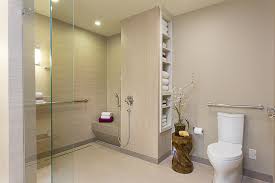
An asserssible aging in place bathroom with a roll in shower and accessible toilet 

Helping Seniors Live Safely, Comfortably, and Independently in the Home They Love

Most older adults share the same dream: staying in the home they've worked so hard to build. Home represents comfort, memories, independence, and familiarity. Unfortunately, most homes were never designed to accommodate the physical changes that naturally occur with aging.

The good news is that moving isn't always the answer.

Thoughtfully planned home modifications can transform an existing house into a safer, more accessible forever home while preserving its beauty and character.

At T-Square Company, we have spent more than 30 years helping homeowners throughout Austin and Central Texas make practical improvements that allow them to remain independent, reduce the risk of falls, and enjoy a higher quality of life.

Why Home Modifications Matter

Every year, millions of older adults are injured by falls inside their own homes. Many of these accidents occur in familiar spaces that homeowners navigate every day—bathrooms, stairways, kitchens, and entrances.

Fortunately, many of these risks can be greatly reduced through proactive planning.

Common modifications include:

  • Barrier-free showers
  • Professionally installed grab bars
  • Improved lighting throughout the home
  • Slip-resistant flooring
  • Wider doorways for walkers and wheelchairs
  • Accessible kitchen layouts
  • Lever-style door hardware
  • Zero-step entries
  • Handrails and stair safety improvements
  • Smart home technology that supports independence

Many homeowners are surprised to learn that relatively small changes can make a tremendous difference in both safety and daily comfort.

Planning Before a Crisis

One of the biggest mistakes families make is waiting until after a fall, hospitalization, or medical diagnosis before making changes.

The most successful aging-in-place projects begin long before they're actually needed.

Thoughtful planning provides more options, allows projects to be completed gradually, minimizes stress, and often costs less than emergency remodeling after an accident.

Proactive planning gives homeowners the freedom to make thoughtful decisions instead of rushed ones.

Helping Adult Children Protect Their Parents

Often, it isn't the older homeowner who first reaches out—it's an adult son or daughter.

Many families begin noticing small warning signs, such as difficulty climbing stairs, trouble stepping into the bathtub, increased concerns about falling, poor lighting, narrow doorways, and mobility changes after surgery or illness.

Adult children frequently ask, "Is Mom's home still safe?" or "How can Dad continue living independently?"

These conversations can be emotional. Our goal is to provide practical solutions that preserve dignity while giving families greater peace of mind.

Why Choose David L. Traut, CAPS?

Not all remodeling contractors specialize in accessibility.

David L. Traut, CAPS, has dedicated more than three decades to designing homes that support safety, independence, and lifelong living. As President of T-Square Company and a Certified Aging-in-Place Specialist (CAPS), David combines extensive remodeling experience with specialized training in Universal Design and accessibility. David is a founding member of the National Aging in Place Council (NAIPC).

He is also the award-winning author of Age in Place at Home: Adapting the Home Environment for All Generations, helping homeowners across the country better understand how thoughtful design can improve safety without sacrificing comfort or beauty.

Rather than offering one-size-fits-all solutions, David carefully evaluates each home, listens to each family's goals, and develops customized recommendations that fit both current needs and future plans.

Universal Design Benefits Everyone

One of the greatest misconceptions about accessibility is that it makes a home look institutional.

Today's Universal Design features are attractive, functional, and seamlessly integrated into the home's architecture.

Many improvements benefit everyone who lives in the home—not just older adults—including grandchildren, guests, individuals recovering from surgery, and homeowners planning for the future.

Good design simply makes life easier.

Begin Planning Today

The best time to make your home safer is before you need it.

Whether you're planning for retirement, helping aging parents, recovering from an injury, or simply preparing for the future, thoughtful home modifications can provide years of additional independence, confidence, and comfort.

At T-Square Company, we believe every homeowner deserves the opportunity to remain in the place they love for as long as possible.

If you're considering home modifications for yourself or someone you love, we'd be honored to help.

Schedule a professional Home Accessibility Assessment with David L. Traut, CAPS, and discover how simple changes today can help create a safer, more comfortable home for tomorrow.

Call T-Square Company today at (512) 444-0097 to schedule your professional consultation.

Certified Aging In Place Specialist


Tags: aging in place remodeling, CAPS, aging in place, Universal Design,, certified aging in place specialist, senior home modifications in Austin, home accessibility, forever home, David L. Traut, CAPS, independent living, T-Square Company, fall prevention, accessible remodeling, aging in place austin, home safety

Aging in Place Specialist | How Much Does It Cost To Age In Place?

Posted byDavid L. Traut, CAPS on Tue, Jul 14, 2026 @ 12:07 PM

Helping Austin Homeowners Stay Safe, Independent, and Comfortable at Home 

As we grow older, most of us want to remain in the homes we love. However, many homes were not designed to accommodate changing mobility, vision, balance, or health needs. These homes were built according to the status quo, but were never accessible.

For more than 30 years, I have helped homeowners throughout Austin and Central Texas create safer, more accessible living environments through thoughtful remodeling and Universal Design solutions. My goal is simple: help people maintain their independence, dignity, and quality of life while remaining in the home they cherish. 

David L. Traut is a certified Aging in Place Specialist

I am David L. Traut, CAPS,  an Accessibility Specialist, Universal Design Expert, award-winning author, and President of T-Square Company in Austin, Texas.  As a Certified Aging-in-Place Specialist (CAPS), I specialize in home modifications that improve safety, accessibility, comfort, and long-term livability.

Why Aging in Place Planning Matters

Many homeowners wait until after a fall, injury, or health crisis before considering home modifications. By preplanning, you can create a safer and more functional home that adapts to your needs over time.

Common improvements include barrier-free showers, grab bars (especially in the bathroom), wheelchair-accessible entrances, wider doorways and hallways, improved lighting and visibility, smart-home technology, accessible kitchens, stairway safety solutions, and future-ready universal design features.

These modifications not only increase safety but can help reduce stress for family members and caregivers while allowing homeowners to maintain greater independence. 

Award-Winning Author and Aging in Place Advocate

I am the author of the award-winning book Age in Place at Home: Adapting the Home Environment for All Generations,  which provides practical guidance for homeowners, caregivers, and families seeking solutions for aging in place.

My work combines real-world construction experience, accessibility expertise, and a commitment to helping people thrive safely and comfortably at home. I help homeowners answer questions like "How do I create a lifetime home accessibility plan?" and "How can I make my bathroom safer?"

Personalized Home Accessibility Assessments

Every home and every homeowner is different.

Whether you are planning for retirement, recovering from an injury, caring for a loved one, or seeking long-term accessibility solutions, I can evaluate your home's current layout and identify practical improvements that fit your needs and budget. Together, we can determine the answer to the questions "How can I age in place safely?" or "Should I remodel my home or move?"

Consultations are available virtually or in person throughout the Austin area.

Testimonial

 "David helped us transform our home so my husband could safely remain independent after surgery. The improvements blended beautifully with our home's design and gave our family tremendous peace of mind." — Austin Homeowner 

Schedule Your Aging in Place Consultation

If you want to remain safely and independently in your home for years to come, now is the best time to begin planning.

Call (512) 444-0097 to schedule an Aging in Place consultation and discover how thoughtful design can help you create a safer, more comfortable forever home.

My work is rooted in a simple but powerful idea: everyone deserves to live safely and independently in the home they love. From thoughtful design to practical solutions, David helps make that possible.

Certified Aging In Place Specialist


Tags: aging in place, certified aging in place specialist, Austin remodeling, universal design contractor, home accessibility, barrier free design, forever home, home accessibility remodeling, senior home safety, CAPS certified, fall prevention, aging in place austin

Typical Aging in Place Questions for Seniors | T-Square Company

Posted byDavid L. Traut, CAPS on Tue, Jul 07, 2026 @ 11:07 AM

Frequently Asked Questions

What is Aging in Place?

Aging in Place means living safely, comfortably, and independently in your own home regardless of age, income, or physical ability. Through thoughtful planning and home modifications, many people can remain in the homes they love for years longer.

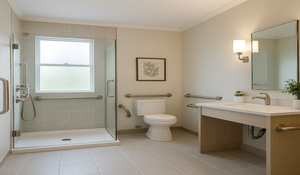
 A beautifully designed spacious bathroom that emphasizes accessibility and modern aesthetics The bathroom features wide doorways

When should I start planning?

Ideally, before a mobility-related health issue occurs, the most successful projects are proactive rather than reactive. Planning early gives homeowners more options, allows projects to be completed gradually, and often costs less than making emergency modifications after a fall or illness.

Can I make my home safer without making it look like a hospital?

Absolutely. Today's accessibility products are attractive, modern, and designed to blend into your home's decor. Universal design focuses on creating beautiful, functional spaces that everyone can enjoy, whether they are six or sixty years old.

What is a Certified Aging in Place Specialist (CAPS)?

A Certified Aging in Place Specialist (CAPS) has specialized training in designing and remodeling homes to improve accessibility, safety, and long-term independence. The designation combines technical construction knowledge with an understanding of the changing needs associated with aging.

What modifications provide the greatest benefit?

Every home is unique, but the bathroom is often the first place to address because it is where many serious falls occur. Improving safety doesn't always require a major remodel. Strategic upgrades such as brighter lighting, professionally installed grab bars, barrier-free shower entrances, slip-resistant flooring, wider doorways, lever-style door handles, accessible entrances, and the removal of common trip hazards can dramatically reduce the risk of injury while making daily activities easier and more comfortable.

Many of these improvements follow the principles of Universal Design, creating a home that is safer, more functional, and more appealing for people of all ages. By making thoughtful modifications before they're needed, homeowners can enjoy greater independence, peace of mind, and a higher quality of life while also enhancing the long-term value and livability of their home.

The best home modifications are the ones that blend seamlessly into your home—enhancing safety and independence without sacrificing comfort or beauty. 

Do I need to remodel my entire house?

Not necessarily. Many homeowners begin with one room, often the bathroom, or address specific safety concerns first. Improvements can be completed in phases as needs and budgets allow.

Can modifications increase home value?

Many Universal Design features appeal to homeowners of all ages, sizes, and abilities, and can improve marketability while increasing safety and convenience for a better resale appeal. Many features are so well integrated that visitors never notice they were designed for accessibility.

How much do Aging in Place modifications cost?

Costs vary depending on the scope of work. Some safety improvements cost only a few hundred dollars, while large remodeling projects are more expensive. A plan can be developed that fits your priorities and budget.

Can accessibility modifications be completed while I'm living at home?

In many cases, yes. Projects are carefully planned to minimize disruption whenever possible, allowing homeowners to remain comfortable during construction.

How long does an Aging in Place remodel take?

Smaller projects may be completed in just a fw days, while larger renovations can take several weeks depending on design, permitting, and material availability.

Do you only work with seniors?

No. Accessibility benefits everyone. Homeowners recovering from surgery, individuals with disabilities, children, veterans, people with temporary injuries, caregivers, and families planning for multigenerational living all benefit from Aging in Place designs and services.

What is the biggest mistake homeowners make?

Waiting too long. Many people begin planning after a fall or medical emergency. Making proactive improvements before a crisis occurs provides more choices, less stress, and better long-term outcomes.

Why choose T-Square Company?

With more than 30 years of design/build experience, T-Square Company specializes in practical, customized accessibility solutions and not one-size-fits-all remodeling. Every recommendation is based on your home, your lifestyle, and your long-term goals. David L. Traut, CAPS, the owner of T-Square Company, is a founding member of the National Aging in Place Council and certified in Universal Design.

How do I get started?

The first step is scheduling a professional assessment. During the consultation, we'll evaluate your home, discuss your goals, identify potential safety concerns, and develop a personalized plan to help you remain and independent for years to come. To keep you in budget, the modifications addressed can be done in phases.

Call T-Square Company today at (512)-444-0097 to schedule your consultation.

David L. Traut is an Award-Winning Author and Aging in Place Advocate.

David is the author of the award-winning book Age in Place at Home: Adapting the Home Environment for All Generations,  which provides practical guidance for homeowners, caregivers, and families seeking solutions for aging in place.

My work combines real-world construction experience, accessibility expertise, and a commitment to helping people thrive safely and comfortably at home.

Certified Aging In Place Specialist


Tags: aging in place, certified aging in place specialist, universal design/build, Austin remodeling, home accessibility, accessible design, forever home, home accessibility remodeling, home modifications, senior home safety, fall prevention, aging in place austin

When To Modify A Home For Aging in Place? T-Square Company

Posted byDavid L. Traut, CAPS on Tue, Jun 30, 2026 @ 12:06 PM

The Optimal Time To Begin Home Modifications

Ideally, begin proactively thinking long before mobility becomes severely limited. This allows for less stressful, budget alternatives.  Therefore, aging in place works best when the home evolves gradually through a phased approach, rather than during a crisis. The ideal time to remodel is:

  • Before mobility changes
  • Before surgery or recovery needs
  • Before caregiving becomes urgent
  • While decisions can still be proactive

David L. Traut, CAPS, offers complete aging in place services

Early Beneficial Modifications and Major Accessibility Upgrades To Consider Later

The timeline for the early stages should be during the ages of 50s-60s, where you integrate minor modifications such as lever-style door handles and improved lighting accompanying routine home improvements and repairs.

Additional modifications are accomplished when you notice health changes during the ages of 60s to 70s. Take action immediately when you first feel increased caution when traveling through your home, avoiding certain areas, or experiencing minor mobility changes. 

A Phased Approach To Aging in Place Improvements

Phase 1: Start by removing tripping hazards like throw rugs, adding motion-sensor nightlights, and installing grab bars in the bathroom mounted on substantial wood blocking between the wall studs. These are considered low-cost/high-impact alterations.

Phase 2: Major adjustments include installing stairlifts before stairs become an architectural barrier or converting a first-floor space into a primary bedroom.

The Real Goal of Aging in Place

For many homeowners, the goal is not simply staying in the house longer, but it is preserving:

  • independence
  • dignity
  • safety
  • comfort
  • connection to community
  • and the emotional meaning of home

That is the real definition of a successful forever home.

David Traut, the CAPS Certified owner of T-Square Company, is an award-winning author of Age in Place at Home: Adapting the Home Environment for All Generations , available on Amazon, and a founding member of the National Aging in Place Council (NAIPC).

Ready to create a safer, more accessible forever home?

Schedule a consultation with T-Square Company in Austin, Texas, and learn how a Certified Aging in Place Specialist (CAPS) can help you develop a proactive plan that supports independence, safety, and comfort for years to come.

Certified Aging In Place Specialist


Tags: aging in place, CAPS professional in Austin, Universal Design,, home accessibility, forever home, senior safety, home modifications, independent living, aging in place planning, accessible remodeling

The Overall Trend in Aging in Place

Posted byDavid L. Traut, CAPS on Tue, Jun 23, 2026 @ 13:06 PM

Universal Preference

The aging in place movement is rapidly becoming one of the most important shifts in housing, healthcare, and residential design in America. More adults than ever before want to remain in their own homes as they age rather than relocate to assisted living facilities or institutional care environments. People tend to equate institutional settings with reduced privacy, loss of independence, and social isolation.  Today's surveys consistently show that roughly 75-90% of older adults prefer to remain in their current homes as they age.  Furthermore, there is a massive shift toward prolonged independent living, driven by a desire for autonomy, a declining use of nursing homes, and a rapidly expanding "AgeTech" market.

At its core, the current trend, created by longevity, reflects a major cultural shift: people no longer see aging as something that should automatically require leaving home. Instead, homeowners increasingly view their homes as long-term assets that can be adapted to support safety, independence, wellness, and dignity at every stage of life. Hence, as baby boomers reach retirement age, the healthcare and home design industries are heavily adapting to support seniors living safely at home. 

An accessible bathroom created for aging in place

"AgeTech" and Smart Homes

The so-called novelty phase of health tech has matured into structural infrastructure. Homes are being retrofitted with AI assistants, wearable health monitors, automated medication dispensers, and proactive fall-detection sensors.

Telehealth Expansion

Virtual doctor visits and remote diagnostic tools provide real-time patient data, allowing physicians to monitor chronic conditions without requiring frequent in-office visits.

The healthcare industry is increasingly supporting home-based care models and flexible, customized treatment rooms that incorporate universal design principles.

Hospitals, insurers, and healthcare providers now recognize that safe home environments can encourage independence, support mental health, lower long-term health costs, and improve recovery outcomes.

As a result, aging in place is becoming increasingly connected to occupational therapy, home health services, preventive care, and wellness-focused residential design. The best homes of the future will not simply be adapted for living;  the future home is progressing into a complete care ecosystem.

Home Modifications  

Renovations involving widening doorways, adding grab bars, installing walk-in showers, and building first-floor bedrooms have become a major focus for remodeling and construction design. All home modifications are still very important for long-term accessibility.

Solo Agers and Community

Due to shifting family dynamics and smaller support ratios, trends are leaning toward multigenerational living, caregiver additions,  accessible additions, flexible guest suites, co-housing, and village networks that provide safety, sustainability,  community support, and helpful caretaking among various generations. 

Many families are redesigning homes to support aging parents while preserving privacy and independence for everyone involved.

In places like Austin and throughout Texas, interest in accessible ADUs (accessory dwelling units) and flexible housing solutions continues to grow as families seek alternatives to institutional care.

The Challenges

Despite the overwhelming desire to stay home, the US housing stock is largely unprepared, with an estimated 90% of homes lacking the necessary modifications for safe, long-term independent living. Additionally, there is an alarming shortage of professional caregivers, forcing families to rely more heavily on smart monitoring and automated systems to fill the gaps.

Emotional Wellness as a Central Focus

Perhaps the most important trend is that aging in place is no longer viewed only as a construction issue—it is now recognized as a quality-of-life issue. 

The conversation has evolved beyond simply “staying home longer.” The focus is increasingly about creating a forever home that supports healthy, meaningful living across generations.

Professionals like David L. Traut, a CAPS-certified practitioner, is the owner of T-Square Company located in Austin, Texas, and often emphasizes that aging in place succeeds best when homeowners begin planning early, think long-term, and create adaptable environments that evolve with changing needs, rather than waiting for a crisis to force change. David is an active founding member of the National Aging in Place Council.

David is also certified in Universal Design in both the United States and Australia. Drawing on decades of expertise, he published Age in Place at Home: Adapting the Home Environment for All Generations, a comprehensive guide that explores the role of Universal Design in creating safe, accessible homes.

📘 Age in Place at Home acts as a guide, taking readers room by room, explaining practical modifications that enhance safety, accessibility, and independence. The book is available on Amazon.

Home Accessibility Help


Tags: aging in place home modifications, aging in place, Universal Design,, aging in place design,, home accessibility, forever home, independent living, senior home safety, CAPS specialist, smart home technology, multigenerational living, aging in place trends, accessible remodeling, senior-friendly design, accessibility solutions

Proactive Aging in Place Planning: Why Flexible Home Designs Matter

Posted byDavid L. Traut, CAPS on Wed, Jun 17, 2026 @ 18:06 PM

Why Waiting Too Long Creates Bigger Problems

A thoughtfully adapted home helps preserve dignity, confidence, and independence rather than making a person feel like they are “aging into decline”, but it's how you accomplish the task that makes a huge difference. 

Universal Design makes a home accessible to everyone regardless of age, size, or ability.

The most successful aging in place plans are both flexible and proactive because aging is gradual, unpredictable, and constantly changing. Waiting until after a fall, hospitalization, or health crisis usually forces families into rushed decisions that are more expensive, stressful, and limiting.

Flexible Design for Changing Needs

Flexibility is equally important because physical and cognitive needs evolve. A person may be fully independent today, but later need a mobility device, reduced stair use, in-home caregiver assistance, improved visibility and lighting, easier-to-reach storage, and smart home or monitoring technology.

Universal Design and Long-Term Independence

Homes designed with Universal Design principles can adapt more easily to these changes without requiring major reconstruction later. Features such as zero-step entrances, wider doorways, lever door handles, curbless showers, more open floor plans, and reinforced bathroom walls for future grab bar installation allow the home to evolve with the homeowner.

The Benefits of Proactive Home Modifications

A proactive approach allows homeowners to prepare their environment before serious problems occur. Instead of reacting to an emergency, they can thoughtfully create a home that supports long-term independence, safety, and comfort. For example, installing better lighting, improving stair safety, widening pathways, or remodeling a bathroom early can prevent injuries before they happen. These changes are often simpler and less costly when planned rather than completed during a medical crisis.

Proactive planning also protects homeowners' emotional well-being. Many people want to remain connected to:

  • Their neighborhood
  • Friends and family
  • Familiar surroundings
  • Personal memories
  • Daily routines

Creating a Forever Home That Adapts Over Time

On the contrary, a reactive plan usually begins after experiencing a fall, hospitalization, loss of mobility, caregiver burnout, or following a sudden or extreme diagnosis.  At that point, families are often under emotional and financial pressure. Decisions become rushed, and options may be limited. In many cases, homeowners are forced into temporary solutions or premature relocation because their home was never prepared for changing needs.

In practice, the best aging-in-place plans usually happen in phases:

  1. Early prevention improvements
    Lighting, decluttering, railings, flooring, and bathroom safety.
  2. Accessibility upgrades
    Entry access, wider circulation paths, accessible kitchens,  and bathrooms.
  3. Future-readiness planning
    Smart technology, caregiver accommodations, first-floor living, adaptable spaces.
  4. Long-term adaptability
    Modifications that can evolve as health or mobility changes.

This long-range mindset is why aging in place is most successful when treated as an ongoing lifestyle and home-design strategy—not simply a reaction to aging itself.

Getting Professional Guidance

At T-Square Company, a local CAPS-Certified Builder in Austin, Texas, we help homeowners evaluate risks and implement smart, practical safety solutions tailored to their home and lifestyle. Stop procrastinating and schedule an in-home or virtual home assessment today.

Accessible Remodeling • Universal Design • Aging-in-Place

Let’s make your forever home work beautifully for you—now and for years to come.

David L. Traut, owner of T-Square Company and an active member of The National Aging in Place Council, has written an award-winning Aging in Place Guide

Age in Place at Home Book

David is also certified in Universal Design in both the United States and Australia. Drawing on decades of expertise, he published Age in Place at Home: Adapting the Home Environment for All Generations, a comprehensive guide that explores the role of Universal Design in creating safe, accessible homes.

📘 Age in Place at Home takes readers room by room, explaining practical modifications that enhance safety, accessibility, and independence. The book is currently available on Amazon.

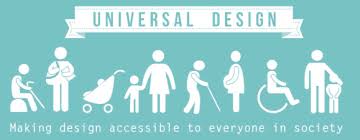
Discover the Principles Of Universal Design

Tags: aging in place remodeling, aging in place, CAPS professional in Austin, Universal Design,, accessible design, accessibility home modifications, forever home, senior safety, National Aging in Place Council NAIPC, independent living, senior home safety, home modifications for seniors, T-Square Company, multigenerational living, accessible living, bathroom safety

Elderly Home Designs in Austin/Complete Aging in Place Services

Posted byDavid L. Traut, CAPS on Fri, Aug 18, 2023 @ 09:08 AM

Honestly, accessible homes are needed by all of us at some time in our lives. This is true whether it's for ourselves, an elderly family member, or a physically-challenged guest. The need is certainly not driven by age, but is a result of life's experience. For example, a child or young adult who has sustained a cervical spine injury will benefit from precise home modifications to increase their independence much like an elderly person. Any family living with disability among any of it's generations within it's group can always benefit from additional accessibility. This will in turn increase safety and independence for all family members involved as they go through life.

Each physically-challenged child or aging individual having similar impairments describes his or her limitations differently. The blind don't experience their world the same as a person with deafness. Some of our societal statistics that weigh into aging in place situations include reports stating that 19% of the population between the ages of 16 and 64 and 42% of those of us 65 and over have a physical disability affecting the activities of their daily lives. For an adult's progressive condition, elderly home design in Austin and aging in place home remodeling definitely comes into play. Elder construction and remodeling is the only way to insure the safety, mobility and independence of the homeowner or family member requiring the home modifications.

The two main groups driving this aging in place market are those people who are 65 and over and the baby boomers. The first group is projected to reach 55 million in 2020. The baby boomer generation born between 1946 and 1965 today make up 28% of the U.S. population and are made up of some 77 million people. Bathroom modifications for the disabled in existing homes is important because people of age 50 and older want to remain in their current home for as long as possible requiring elder living solutions.

The National Association of Home Builders, in partnership with the AARP and Home Innovation Research Labs, created the CAPS program, which includes training and education on the technical, business management and customer service skills essential to compete in the fastest growing segment of the residential remodeling industry--home modifications for Aging in Place. Elderly home design in Austin should only be done by an experienced CAPS certified remodeling company like T-Square Company, providing a full compliment of Aging in Place services. These services include assessment of the home, specifications and designs to modify the home for increased accessibility per the client, city permitting when required, and carrying out the renovations turn-key. T-Square Company, CAPS #1636580, has over twenty-seven years of home accessibility experience. All registered CAPS program graduates and their remodeling company will be listed in a national registry in Washington. The information can be found by simply visiting nahb.org/CAPS.

Certified Aging In Place Specialist

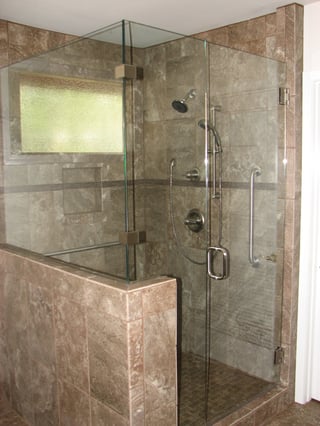
Handicap Accessible Showers

Elderly Home Designs in Austin


Elder Construction


Physical limitations affect many more people than the daily users of walkers and wheelchairs.  Many members of our life experienced or elder society have significant problems in dealing with their home environment. Today's conventional building standards conflict with most people's accessibility when you consider our created architectural barriers concerning cabinetry and door opening widths, individual strength, range of motion, movement, manual dexterity, balance, and coordination. Once the demands of our built environment exceed their capacities we become excluded from a room or even the entire home. The building world must work in unison to be sure the entire living environment meets basic needs in addition to affordability and structural integrity for the consumer and home owner. This includes both the home and the components within the home being accessible to all inhabitants. Privacy, sense of belonging, sense of control, and the sense of safety and security make up the quality of life for any home and should be considered for any design.

Bathroom Remodeling Austin

The Aging in Place market in the US today is constantly being influenced by the increasing size of the aging population, the market desire to remain in one's home, a constantly increasing cultural diversity, and our aging housing stock associated with it's reduced affordability. Our elderly population is really made up of two prominent age groups formed by the age 65 and over population and the baby boomers who were born between 1946 and 1965. Together these two groups own over 48% of all the US home inventory today. The desire to remain in one's home is driven by social attachments via a network of neighbors, friends, and family. Our cultural diversity assures that the same Aging in Place solutions cannot work across the board for all individuals just as an individual's ability to live independently varies from person to person. With constantly aging housing, costs can be a major barrier in home modification for many residents. A catch 22 situation can arise when you consider the reduced affordability of another home versus the one that is presently occupied. In this case the homeowner must use the equity that has accrued in their home's value in order to make the modifications required. You will find out in the long run that it's cheaper to remodel your existing home using your accrued assets than it is to buy a new home in today's market and move.

Improve Handicap Accessibility

There are really three categories of Aging in Place customers. Those who are simply and wisely planning ahead for their futures to remain in their present homes. The second category concerns those people who know they have a chronic medical disorder and need to prepare in advance for accessibility issues which will come as a result of their disease. People with diseases that are constantly causing increased physical or mental changes to their being are a good representative of this second group. The third group involves those people who either have had a chronic problem that has  progressed severely altering their mobility or those who have sustained a life altering tragedy such as being involved in an accident. All of these groups will drive the future metamorphosis of existing inaccessible dwellings.

Download Our Free Aging In Place Remodeling Considerations Checklist

Some people confuse the terms Aging in Place with Universal Design. Both are a method to increase accessibility within the home but Aging in Place strictly deals with an existing home. Aging in Place also implies modifying any home for it's older occupants to insure that the inhabitants can safely remain in the home for as long as they possibly can. This time will expire once they need assisting medically trained help for safeguarding their personal safety in a nursing home or an assisted living environment. Universal Design is just that; offering choices to all of a home's residents no matter their age or physical capabilities. It begins with a design and then the construction begins. Items like wide-open rooms containing a sixty-inch by sixty-inch area for turning, unobstructed corridors at least 40-inches wide, adequate lighting throughout the home, having adaptable kitchen work areas, the use of contrasting colors in all rooms, a shower seat to increase safety, raised electrical outlets positioned at 18-inches above the floor, reinforced bathroom walls to allow for installing grab bars when required, easy-to-reach storage with greater organization, and non-slip flooring are major concerns within any elderly house design. However, the number one safety hazard to consider during an elderly home design is negotiating level changes within the home--steps at the entry, stairs between floors, and curbs to step over when entering the bath or shower. Eliminating level changes is very difficult in existing homes and almost impossible to do aesthetically and without major compromises, unless there is a major renovation. The result is that most homeowners decide to sell the house rather than make the modifications. When Universal Design is periodically incorporated into their design, homes can accommodate the needs of their owners longer as those needs evolve over time.

David L. Traut, CAPS owner of T-Square Company in Austin, Texas is one of the select group of professionals nationwide to earn the Certified Aging-In-Place Specialist (CAPS) designation, identifying him as a home remodeler and builder with the skills and knowledge necessary to remodel or modify a home to meet the unique needs of the older population, disabled owners or their visitors.

After over a year of writing to fulfill his customers' requests, David's new book, "Age in Place At Home: Adapting the Home Environment for All Generations" , is available for purchase from Amazon. Please go to the link below to order his paperback book, which was released in late December, 2022. It provides a great guideline for using the principles of Universal Design in new home construction and/or remodeling for every room in your home. Get your copy today.

https://www.amazon.com/gp/r.html?C=2Z24ENUUAEWUK&K=13Y7YU7PKKYAC&M=urn:rtn:msg:20221010201802eb9acb7b24004a4785cd2ec1d4f0p0na&R=3R6MK9WDXJPH7&T=C&U=http%3A%2F%2Fwww.amazon.com%2Fdp%2FB0BHTV28RV%3Fref_%3Dpe_3052080_276849420&H=7FWEPMGCH0TT8LN6SKPMUOCVJNYA&ref_=pe_3052080_276849420

David's book acts as a guidepost for perplexed homeowners and caretakers trying to determine their family's next immediate direction and imminent future. The first half of the book explains why homes have always been inaccessible, except on the day they were purchased. The second half takes you room by room through the home as I explain how applying the principles of Universal Design for Aging in Place makes the home comfortable and accessible for the largest number of people. 

For additional information about the CAPS program, visit nahb.org/CAPS. For more information about T-Square Company, visit www.tsquareco.com or call 512-444-0097.


Aging In Place Home Modifications


Tags: barrier free access, aging in place home modifications, handicap home modifications, aging in place construction, aging in place designs, CAPS certification holder in Austin, CAPS remodeling techniques, Universal Design,, aging in place specialist, aging in place services, elder construction, independent living in Austin Texas, Austin elder construction, handicap accessibility, bathroom modifications for disabled, accessibility remodelers in Austin, roll in showers, handicap bathrooms, home modifications for independent living Austin, universal design ideas, Austin Accessibility Design, Austin senior living solutions, age in place home design, Austin disability contractors for special needs, accessible design, accessible homes in austin, barrier free home design, Disability Remodeling Services in Austin, Texas, CAPS-certified remodeling in Dripping Springs, Dripping Springs senior home remodeling, Universal Design for Disabilities, aging in place services for seniors in Austin, Barrier-free designs, forever home, elderly home designs

What Is A Forever Home?/Why Is Universal Design So Important?

Posted byDavid L. Traut, CAPS on Fri, Jun 16, 2023 @ 10:06 AM

Have you grown tired and frustrated over time when periodic health challenges emerge affecting you or a family member identifying your home as inaccessible, if even for a short time during recovery? Have you observed other families facing this common dilemma? Are you coming to the realization yours and almost all other existing homes lack flexibility or adaptability having reached their potential? An accident or illness brings the undeniable need for home access out into the open. If you have suddenly become caregiver for your spouse or another family member, you know you are not alone in recognizing this dysfunctional housing phenomenon. Many home caregivers face challenges inside their private residences because traditional homes lack accessibility due to their antiquated architecture. There simply isn't enough room to properly care for another person within a given living space. But where did this commonly seen lack of home accessibility in nearly all homes come from? Perpetual, status quo building techniques, and affordability provide the answers. Over time, along with the exponential birth rate of the baby boomers in the late 40s and 50s, the need for more housing created sprawling American suburbs to accommodate the growing families. Developments sprang up with few architectural options while affordability was the main concern. Today, these same homes slowly and increasingly signify outdated and obsolete architectural barriers exposing a true lack of accessibility for the very people inhabiting them. The situation is ever more expanding in time since the greatest majority of individuals want to age where they currently reside. Our homes are built for shelter, but their construction is guided by designs and dimensions demonstrating a denial or ignorance of true human abilities.  It is acknowledged any family living with a disability among any of its family members always psychologically benefits from familiar surroundings. Therefore, moving is not always the best option. Fortunately it doesn't have to be this way with correct planning.

Because everyone is living longer, they will experience many life-challenging events during their extended lifespan. The desire to remain in one's current home is not driven by age. This need is a reaction to and the result of life's experience. The universal design principles are used to increase safety and independence within most current homes. Certain common sense home modifications are typically required to increase accessibility and use. These modifications include, but are not limited to, no-step entrances, wider doorways, the installation of ramps, inclusive kitchen modifications, accessible bathroom adaptations, and the application of smooth, non-skid flooring. When planning on what modifications are needed, always make a list of the existing home's most problematic areas for any or all of its residents. This basic desire is creating unprecedented nationwide challenges and a niche market in the remodeling industry known as Aging in Place. The majority of Americans over the age of 45 want to continue living in an environment they are well acquainted with throughout their maturing years. These people are looking for safety, security, ease of use, and comfort for their forever home before they must vacate due to specialized needs. Clearly, the act of Aging in Place occurs during a period of time when mature homeowners or seniors have the ability to make decisions to better support an increased quality of life. There are three segments served within the Aging in Place marketplace. The first segment includes those homeowners without urgent needs. The second segment focuses on a group of homeowners with progressive health needs. The third sector involves those people who have undergone traumatic health changes or accidental injuries necessitating immediate modifications to the home. The choice to Age in Place does not mean the homeowner has to do everything in the future by themselves. Aging in Place principles supports responsible people living life with dignity and independence even when outside assistance is essential.

But why should we eventually all face the disruptions of modifying our domains to ensure we can remain in them following a health change in life?  It is long past due for us to redefine the built environment with what we know to be true. The answer lies within a forever home. This unique home opens up all rooms to all visitors. A forever home is a home you can imagine living in for a lifetime and one that will meet the needs of all residents throughout their lives. This thoughtful living environment is designed and constructed universally to conform to all residents diverse needs and abilities at any age. A forever home is unlike a starter home, and each occurs at different times during a homeowner's life. A starter home is a smaller home needed when you are starting out. This home represents a stepping stone and is a popular option concerning younger homeowners because it's more affordable. The forever home has the ability, through proactive planning and existing home modifications, for a family or all family members to live in the house for a very long time prior to anyone needing full time professional assistance. This home contains accessibility for everyone, regardless of their age, size, or abilities. During life's voyage, the forever home should become a reality as early as possible. This reality means the family can enjoy the comfortable and livable home longer. It has adequate access through wider entries and doorways, a larger kitchen, larger bathrooms, larger bedrooms, and an accessible front and back yard. The more expensive larger forever home has room to comfortably maneuver about when mobility devices or strollers are needed because architectural barriers are nonexistent.

If you have had enough of the status-quo building techniques which created our inaccessible home inventory, you and your family can put your collective thoughts together in order to design and build a house that will last a lifetime. You don't have to discard your favorite design pictures or ideas. The same elevations can be incorporated into the forever home; but rearranged into a Universal Design floorplan. Key questions should be addressed for this uber-customized home. Your family is aware of any lifestyle challenges you face due to progressive diseases or hereditary complications within the group. You know everyone gets older, and in doing so some member might lose cognitive or mobility functions. Your new uncluttered universal floorplan will accommodate a young family with children or an unexpected in-law coming to live with you. It is easy to maneuver inside this universal home going from a completely accessible bathroom to a family gathering in the adaptable kitchen accompanied by a well designed living area. Within the house, you should plan flexible rooms which will accommodate double and triple duty as needed by your family over time. Designing a forever home has many benefits including emotional, economic, and environmental aspects. What's more, you are building a multi-generational setting that can be passed on to the following generations. 

Aging In Place Home Modifications

Wheelchair Accessible Universal Design Kitchen in Austin


According to the AARP, 80 percent of older homeowners overwhelmingly prefer to Age in Place, which means living in a home safely, independently, and comfortably, regardless of age or ability level. People with disabilities are aging but some healthy individuals are aging into a disability. Aging in Place strictly deals with the remodeling of existing homes. Therefore, to Age in Place, owners need to gradually modify their homes as they mature by increasing access and safety using the principles of Universal Design before a life-changing event forces making sudden architectural changes. The Aging in Place market in the U.S. today is influenced by the increasing size of the aging population, the market desire to remain in one's home, a constantly increasing cultural diversity, and the aging housing stock associated with reduced affordability. The desire to remain in existing homes is driven by social attachments via a network of neighbors, friends, and family. Comfortable positive aging is a way of living rather than a state of being. What's more, seniors who took a proactive approach in modifying their homes over time offer peace of mind to their loved ones or caretakers who know their family members are living safely and independently in their homes. 

Certified Aging In Place Specialist


T-Square Company is one of Austin's premier Aging in Place contractors offering complete Aging in Place services from home assessments to design/builds. We have over 30 years of accessibility knowledge to share with our clients making their home life less complicated. We hold a nationally recognized CAPS certification (Certified Aging in Place Specialist) offered by the National Association of Home Builders, NAHB. Contact T-Square Company today to find out how to proceed toward an accessible second chapter of life while your aging parents remain in their home. We offer complete Aging in Place design services.

By the way, David Traut, the President/owner of T-Square Company has recently published a book entitled "Age in Place at Home: Adapting the Home Environment for All Generations". It is available on Amazon and stands as a reference book for increasing home accessibility through Universal Design.

Download Our Free Aging In Place Remodeling Considerations Checklist

Tags: aging in place remodeling, aging in place home modifications, aging in place home improvements in Austin, frameless European, aging in place designs, accessible home remodeling, Universal Design,, aging in place services, home modifications for independent living Austin, universal design ideas, Austin senior living solutions, certified aging in place consultant in Austin, aging in place specialist in Austin, universal design remodeling contractor, 7 principles of universal design, applying principles of universal design in Austin, Austin disability contractors for special needs, barrier free remodeling, accessible homes, universal design/build contractor, why universal design, what is universal design in Austin, what is aging in place, universal design techniques, accessible home builder in Austin, the basics of aging in place, barrier free home design, Disability Remodeling Services in Austin, Texas, Universal Design for Disabilities, aging in place services for seniors in Austin, Barrier-free designs, forever home, aging parents caregiver guide, houses designed to last a lifetime